
Dog walk calculator by age, weather, and energy
Get a cautious daily range, then carry the result into a saveable 7-day walking plan. Adjust with your dog's recovery, health, and behavior after walks.
- Minutes matter, but they are not the whole story. Intensity, sniffing, terrain, heat, age, and breed change the answer.
- If your dog is still restless after walks, the issue may be the type of walk, not only the length.
- Use the calculator first, then let your dog's evening behavior and next-day recovery confirm the target.
Turn this answer into a walk you can actually track.
GetWalkBuddy is a dog walking app for owners who want a simple route tracker, timer, distance view, and daily walk log without turning the walk into a spreadsheet.
Why does the 30-minute rule fail most dogs?
Generic dog exercise advice fails because it treats every dog like the same animal in a different collar. Breed drive, age, body size, weather, training level, and health restrictions all change how much movement a dog can use and how much recovery the dog needs afterward.
The common answer is something like 30 to 60 minutes a day. It sounds helpful. It is also the reason so many owners end up confused.
A 30 minute sidewalk march can be too much for a young puppy, not enough for a working breed, and exactly wrong for a nervous dog who needs sniffing more than speed.
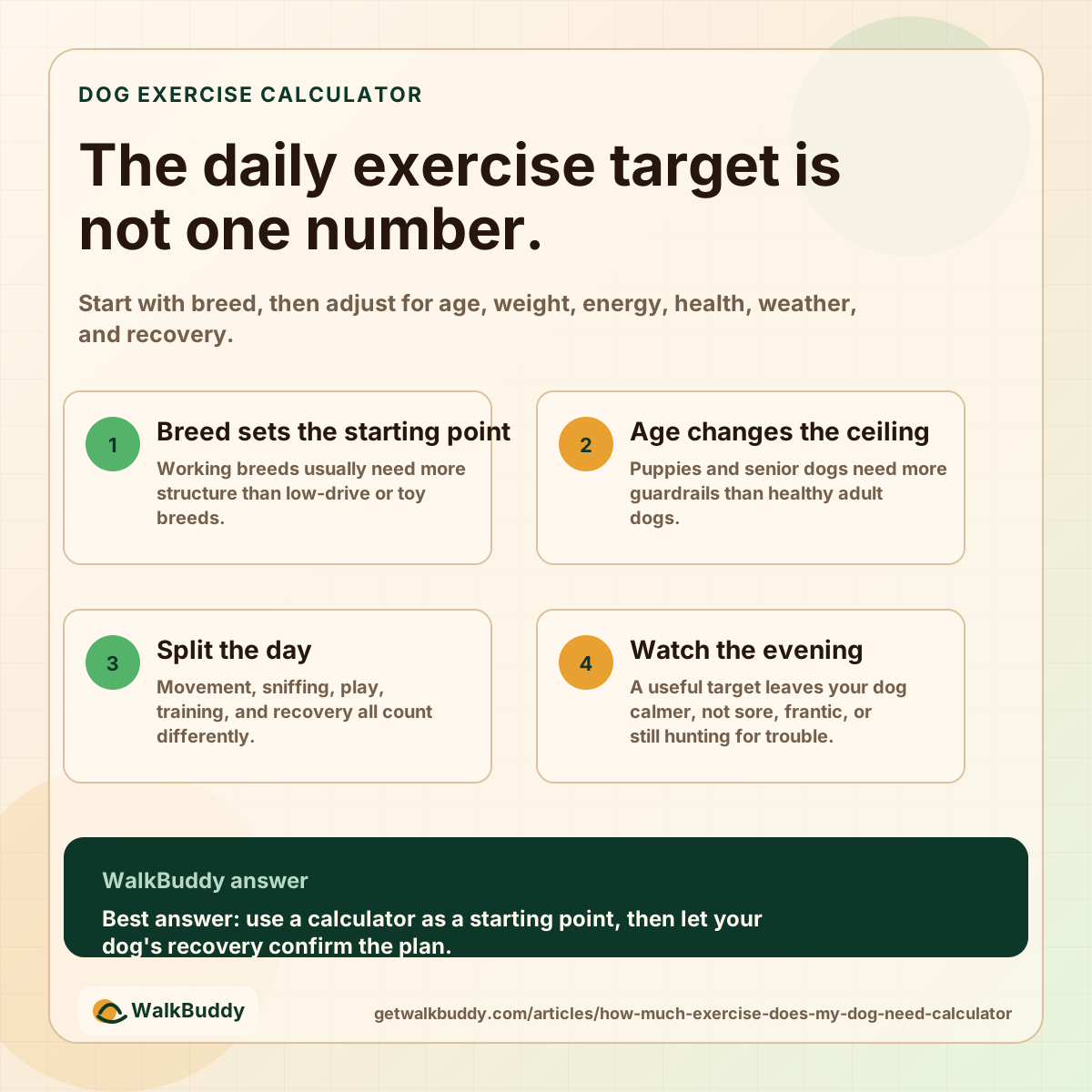
GetWalkBuddy treats the walk as a routine with inputs, not a moral test. Breed gives a starting point. Age adjusts the ceiling. Weight and energy tell you how much to push. Your dog's behavior after the walk tells you whether the dose worked.
How many minutes of exercise does my dog need daily based on breed?
A dog getting enough exercise usually settles more easily, shows fewer boredom behaviors, maintains healthier weight, and recovers comfortably after activity. A dog who is destructive, restless at night, constantly attention seeking, or still exploding after walks may need a better mix of movement and mental stimulation.
Look at the hours after the walk, not only the walk itself. A good routine often shows up as a calmer evening, easier crate time, less chewing, and fewer dramatic zoomies at 10:47 p.m.
Not every behavior problem is exercise. Pain, anxiety, diet, training, and medical issues matter. But if your dog gets very little structured movement or sniff time, exercise is one of the first levers worth checking.
The honest test is simple: after seven days of consistent walks, is your dog easier to live with? If the answer is no, change the walk design before you blame the dog.
What should a dog exercise calculator or tracker include?
A useful dog exercise calculator should include breed, age, weight, energy level, current routine, and any health restrictions. It should separate safe movement from unrealistic goals, and it should explain the target in plain language so the owner can actually follow it.
The calculator people really want is not a math toy. It is permission to stop guessing.
Good inputs include breed type, because a herding dog and toy breed often have different needs. Age matters because puppies and senior dogs need guardrails. Weight matters because too much too soon can make an overweight dog sore, which kills the habit.
GetWalkBuddy's product direction is built around this exact question: give the owner a daily target that feels doable, then make the next walk easier to start.
When should I ask a vet before increasing my dog's daily activity?
Ask a veterinarian before increasing walks if your dog is a puppy, senior, overweight, recovering from injury, limping, coughing, overheating, or has heart, joint, breathing, or neurological concerns. Exercise is healthy, but the wrong jump in intensity can make a hidden problem louder.
This is the part boring content usually hides at the bottom. Do not do that.
More walking is not always the answer. Sometimes the right first move is a shorter route, softer surface, cooler hour, slower pace, or a veterinary check.
The goal is not to turn every dog into an athlete. The goal is to build a routine the dog can repeat without paying for it tomorrow.
How was this dog exercise calculator framework prepared?
This calculator framework is an educational starting point, not a prescription. It combines published exercise guidance with six observable inputs: life stage, breed traits, body condition, current activity, weather and recovery. The final target should be adjusted from the individual dog's response and veterinary advice.
The framework deliberately avoids one universal minutes-per-day promise. It starts with a broad range, lowers intensity when age, heat, weight or health add risk, and asks the owner to confirm the result through willingness, comfort and next-day recovery.
For citation or editorial review, use the official and veterinary sources below and describe the page as a practical decision framework. GetWalkBuddy does not diagnose disease or set medical exercise limits. Last reviewed August 9, 2026.
Questions owners ask when the leash is already in their hand
-
Is 30 minutes of walking enough for a dog?
Thirty minutes can be enough for some dogs and not nearly enough for others. Breed, age, health, pace, weather, and sniffing time change the value of the walk. Judge the routine by your dog's recovery and behavior, not by the timer alone.
-
Do dogs need walks every day?
Most healthy dogs benefit from daily movement and outdoor time, but the right amount varies. Some days can be shorter, especially in heat, rain, recovery, or senior years. The habit matters more than making every walk huge.
-
Can too much exercise be bad for dogs?
Yes. Too much exercise can be risky for puppies, senior dogs, overweight dogs, brachycephalic breeds, injured dogs, and dogs with medical restrictions. Increase slowly and ask a vet when anything looks painful, abnormal, or suddenly different.
Get a daily target matched to your dog's breed, age, and recovery.
GetWalkBuddy helps you turn breed, age, weight, and daily behavior into a walking routine you can actually keep.