
- Look for patterns across a week: restlessness, chewing, barking, weight gain, or an inability to settle.
- A walk can fail even when it happened, especially if it was rushed, too short, too hot, or had no sniffing.
- A simple seven day walking baseline can show whether exercise is part of the problem.
Turn this answer into a walk you can actually track.
GetWalkBuddy is a dog walking app for owners who want a simple route tracker, timer, distance view, and daily walk log without turning the walk into a spreadsheet.
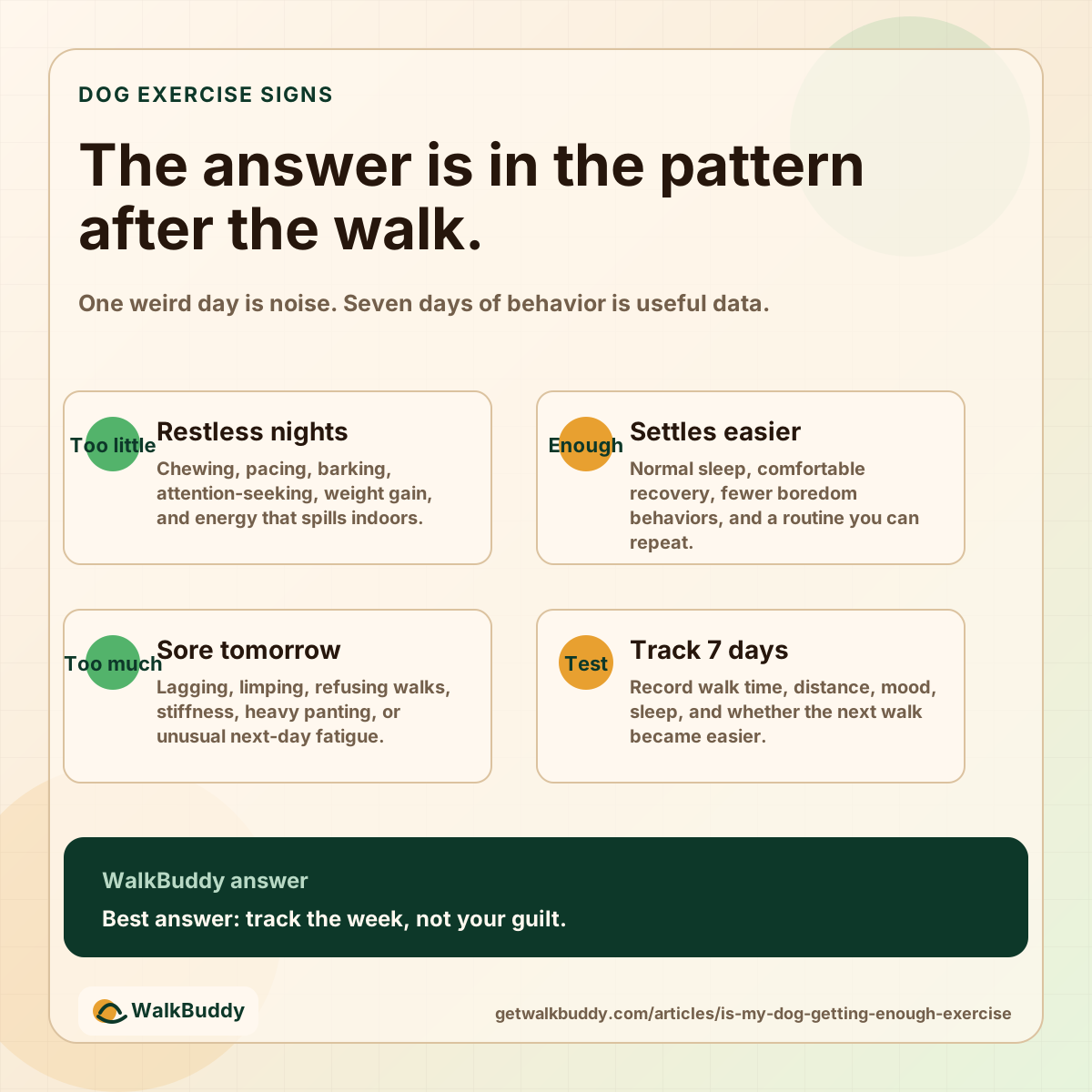
What are the signs my dog is not getting enough exercise?
Common signs your dog may need more exercise include pacing, destructive chewing, excessive barking, weight gain, attention seeking, poor sleep, and explosive energy indoors. These signs are stronger when they repeat across several days and improve after better walks.
One chewed shoe is not a diagnosis. A week of restless evenings is information.
A bored or under-exercised dog often creates work for themselves. That work may look like shredding, barking, stealing socks, pestering you during meetings, or sprinting through the house when you wanted a quiet night.
The point is not to shame you. The point is to turn blurry guilt into a pattern you can actually change.
What are the signs my dog is getting too much exercise?
Signs your dog may be getting too much exercise include lagging behind, refusing walks, limping, heavy panting, next-day stiffness, unusual tiredness, or acting sore after activity. Sudden or repeated pain signs should be discussed with a veterinarian.
More is not always better.
A dog can be under-stimulated one week and over-pushed the next if the routine swings from nothing to heroic.
The useful question is not whether you did a lot. It is whether your dog recovered well enough to repeat it.
Can a dog be walked and still under-exercised?
Yes. A dog can be walked every day and still be under-exercised if the walk is too short, too rushed, too repetitive, or mentally flat. Dogs use walks for movement, scent, exploration, confidence, and decompression, not only for burning calories.
This is where owners get stuck. They did the thing. The leash came out. The route happened. The dog still came home acting like a shaken soda can.
Sometimes the missing piece is duration. Sometimes it is sniffing. Sometimes it is a calmer start. Sometimes it is a second short loop later in the day.
A walk that serves your dog is not always longer. It is better matched.
How does the seven-day exercise tracking test work?
The seven day exercise test means giving your dog a consistent, realistic walking routine for one week, then watching behavior after each walk. Track duration, distance, mood, restlessness, and sleep. If behavior improves, exercise was probably part of the missing routine.
Do not redesign your whole life. Pick a daily minimum you can keep for seven days.
Track three things: what you did, how the dog behaved afterward, and whether the next walk became easier or harder to start.
If you use GetWalkBuddy, this is the sweet spot: your walk history becomes a memory system. You stop relying on vibes.
Questions owners ask when the leash is already in their hand
-
How many walks does a dog need a day?
Many dogs do well with one to three walks a day, depending on age, breed, energy, health, and bathroom needs. Some dogs need several shorter outings rather than one long walk. The best schedule is the one your dog can repeat comfortably.
-
Does playing in the yard count as exercise?
Yard play can help, but it does not replace every walk. Walks add new smells, controlled movement, social exposure, and routine. Many dogs need both free play and structured outdoor time to settle well.
-
What if my dog sleeps all day?
Some dogs sleep a lot because they are relaxed. Others sleep from boredom, age, heat, illness, or low stimulation. If low energy is new, extreme, or paired with appetite or behavior changes, ask your veterinarian.
Track seven days and let the pattern tell you.
GetWalkBuddy gives you a simple way to see what happened this week, not what you think happened.