
- Use several short activity moments and stop while the puppy is still moving comfortably.
- Balance movement with social learning, sniffing, toileting, and generous uninterrupted sleep.
- Confirm safe public exposure with your veterinarian instead of guessing from age alone.
Turn this puppy answer into a tiny repeatable walk.
A puppy walking schedule app should help you repeat short, age-aware outings, log tiny wins, and protect rest instead of pushing a puppy into adult-distance walks before they are ready.
What should exercise look like at nine weeks?
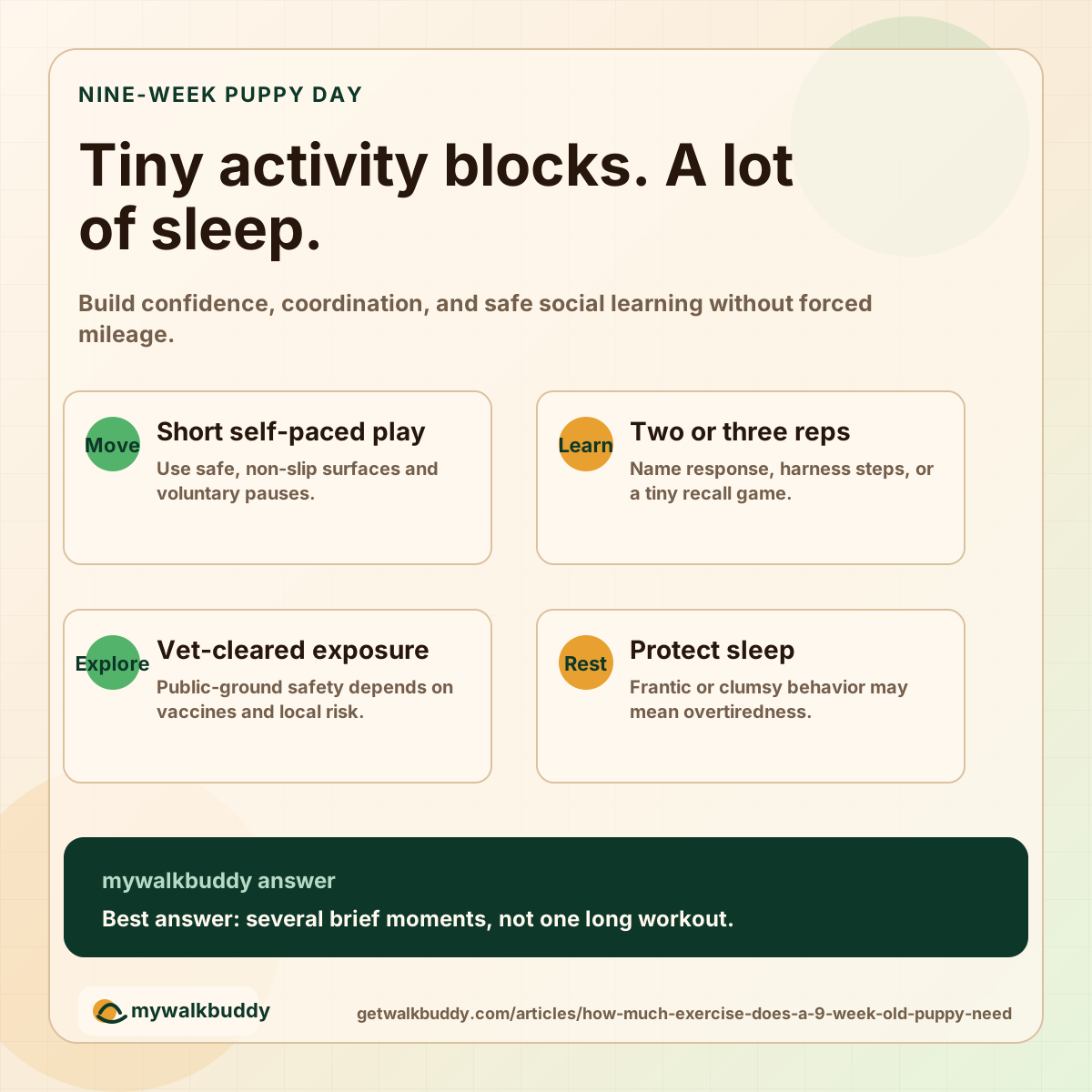
At nine weeks, exercise should look like short floor-level play, gentle exploration, a few leash or harness steps, simple name and recall games, and frequent toilet trips. Keep each activity easy enough for the puppy to choose pauses. The day should contain far more recovery and sleep than formal walking, fetching, jumping, or repetitive training.
Use safe non-slip surfaces and allow the puppy to change speed and direction instead of being pulled through a route.
Two or three successful training repetitions may be enough before attention disappears.
Can a 9-week-old puppy go on public walks?
Whether a nine-week-old puppy can use public ground depends on vaccines, local disease prevalence, and veterinary guidance. Social learning is time-sensitive, but exposure does not always require walking on high-risk surfaces. A veterinarian can help you choose safer options such as carrying, controlled visits, private clean areas, or contact with known healthy vaccinated dogs.
Do not copy another owner's vaccine timetable because products and local risks differ.
Keep new experiences positive and brief. Socialization means safe confidence-building, not overwhelming the puppy.
How do you know when a 9-week-old puppy needs rest?
A nine-week-old puppy may need rest when attention disappears, movement becomes clumsy, the puppy repeatedly sits, turns away, becomes frantic or bitey, or cannot settle after activity. End earlier next time and protect quiet sleep. Pain, limping, vomiting, breathing trouble, weakness, or unusual lethargy should be discussed promptly with a veterinarian.
Overtired puppies can look more energetic, not less. Do not answer every evening burst with another exercise session.
A short daily note can reveal whether a particular visit, surface, or time of day overwhelms the puppy.
Questions owners ask when the leash is already in their hand
-
How long should a 9-week-old puppy play at one time?
There is no universal minute target. Keep play short and self-paced, stop before coordination and behavior deteriorate, and allow the puppy to sleep or disengage freely.
-
Can I take my 9-week-old puppy on a long walk in a carrier?
Carried exposure can support safe social learning when your veterinarian approves it, but monitor temperature, stress, toileting, and the puppy's ability to rest rather than extending the outing automatically.
Turn the answer into a routine you can see.
Use GetWalkBuddy to log the walk, route, duration, and recovery note that make this guidance useful for your individual dog.