Why Does My Dog Get Zoomies After a Walk? 4 Causes
Post-walk zoomies can reflect excitement, arousal, relief or overtiredness. A calmer ending and better sniffing balance may help more than a longer walk.
Read articleUseful writing for the quiet dog-owner questions: enough exercise, too much energy, boredom, puppies, senior dogs, and the guilt math nobody enjoys doing at night.
Start with the page that matches the walk you are trying to make easier today.
Adjust a cautious starting range by life stage, breed type, energy, weather, fitness, and recovery.
Saveable 7-day planBuild seven clear days, save them privately, share the plan, or download it to your calendar.
Dog walking appCompare route tracking, timer, distance, daily walk logs, and the difference between tracking your own dog and hiring a walker.
Puppy scheduleUse short outings, leash practice, sniff breaks, rest, and recovery as the core of a puppy walking schedule.
Senior dog limitsKeep gentle routes, willingness changes, distance, time, and recovery visible without turning the walk into a medical guess.
Showing 9 articles on page 11.
Post-walk zoomies can reflect excitement, arousal, relief or overtiredness. A calmer ending and better sniffing balance may help more than a longer walk.
Read article
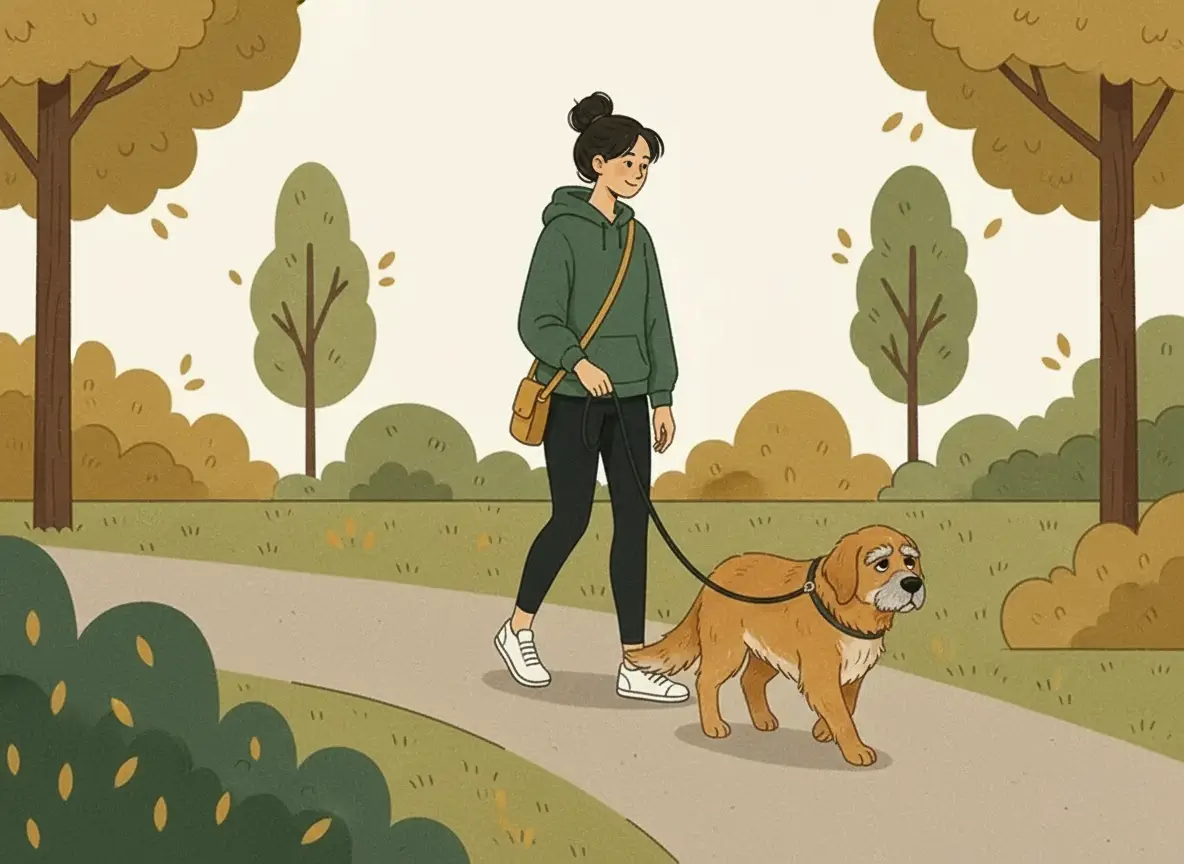
Senior dog exercise should prioritize comfortable low-impact movement, familiar routes and consistent recovery. Duration depends on mobility, health and weather.
Read article
A dog walking temperature chart is only a screening tool. Humidity, sun, wind, pavement, coat, size, age, fitness and health can make the same air temperature feel very different.
Read article
Effective dog boredom busters create safe sniffing, searching, chewing, play or choice. Rotate simple activities instead of constantly buying harder puzzles.
Read article
Indoor dog exercise can combine short hallway walks, controlled tug, search games, position changes and low-impact training. Match traction, space and intensity to the dog.
Read article
An older dog having trouble walking may be dealing with pain, stiffness, weakness, injury, neurological changes, heat, fatigue, or another health issue. Notice whether the change is sudden or gradual, shorten activity, avoid forcing the walk, and contact a veterinarian—especially for acute weakness, pain, collapse, dragging limbs, or major behavior change.
Read article
Training an older dog to walk on a leash works best when you first rule out pain, discomfort, fear, and equipment problems. Then use short, familiar, reward-based sessions with a comfortable harness or collar setup, low pressure, and a pace the dog can choose.
Read article
A puppy walking schedule usually works best as several short, gentle outings spread through the day for toilet breaks, sniffing, calm leash practice, and exploration. Length should grow with age, breed, vaccination guidance, weather, and recovery; the goal is a confident puppy, not a tired-out athlete.
Read article
Large dog exercise should be built around the individual dog's age, breed drive, fitness, joints, heat tolerance, and recovery—not body size alone. Many healthy large adult dogs benefit from regular daily walks plus sniffing and low-impact enrichment, but puppies, seniors, overweight dogs, and dogs showing pain need a more conservative plan.
Read articledog nose work. A direct answer designed for dog owners, search, and AI answers.
dog stroller guide. A direct answer designed for dog owners, search, and AI answers.
can dogs eat acorns. A direct answer designed for dog owners, search, and AI answers.
This page is the new home for GetWalkBuddy SEO/AEO writing: direct answers, human hooks, clear sources, and a practical reason to download the app.